What is Golf Streetwear? History of the Movement and Culture
Updated on: June 1, 2026 • ~10 min read
Author: Graeme
Walk onto any golf course in 2026, and the contrast to a decade ago is striking. Hoodies have replaced windbreakers. Joggers sit where pleated khakis used to dominate. Spikeless sneakers that look like Air Max designs have pushed aside traditional leather shoes.
This isn't just a fashion shift. It's a cultural movement that's fundamentally reshaped who plays golf and what it means to look like a golfer.
Golf streetwear blends performance gear with street style, making the game accessible to a generation that was previously shut out. Brands like Three Putt, Eastside Golf and Nike Golf didn't just change the clothing. They changed the culture.
Here's how it happened.
Short on time? Here are the key takeaways
- Golf streetwear blends high-performance fabrics with urban aesthetics, creating clothing that works on the course and in everyday life.
- The movement exploded between 2018-2022 when brands like Eastside Golf and Malbon Golf aligned golf with hip-hop, skate culture, and streetwear collaborations.
- Nearly half of modern golfers are now aged 6 to 34, and golf streetwear appeals directly to this demographic's demand for style and inclusivity.
- In 2026, golf streetwear is mainstream and permanent, with UK brands like Three Putt Golf proving the movement has distinct global perspectives.

What Actually Is Golf Streetwear?
Golf streetwear is a hybrid fashion movement that blends functional on-course performance with urban street culture aesthetics. It's clothing built for the golf course but designed to be worn everywhere else.
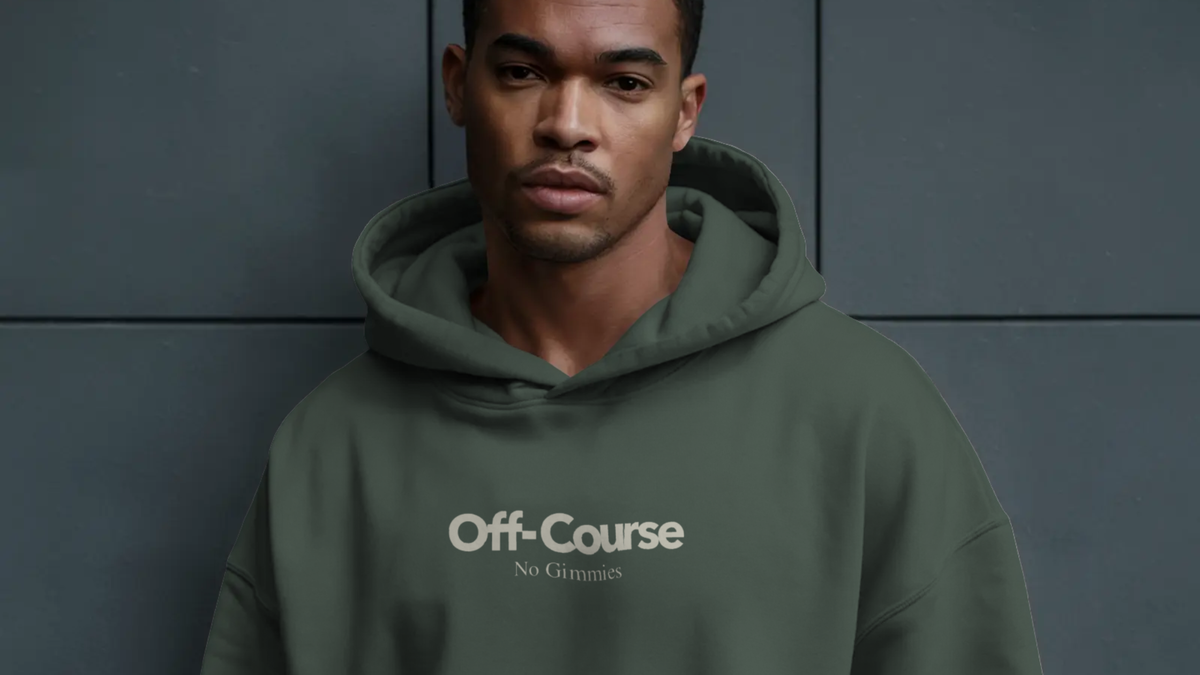
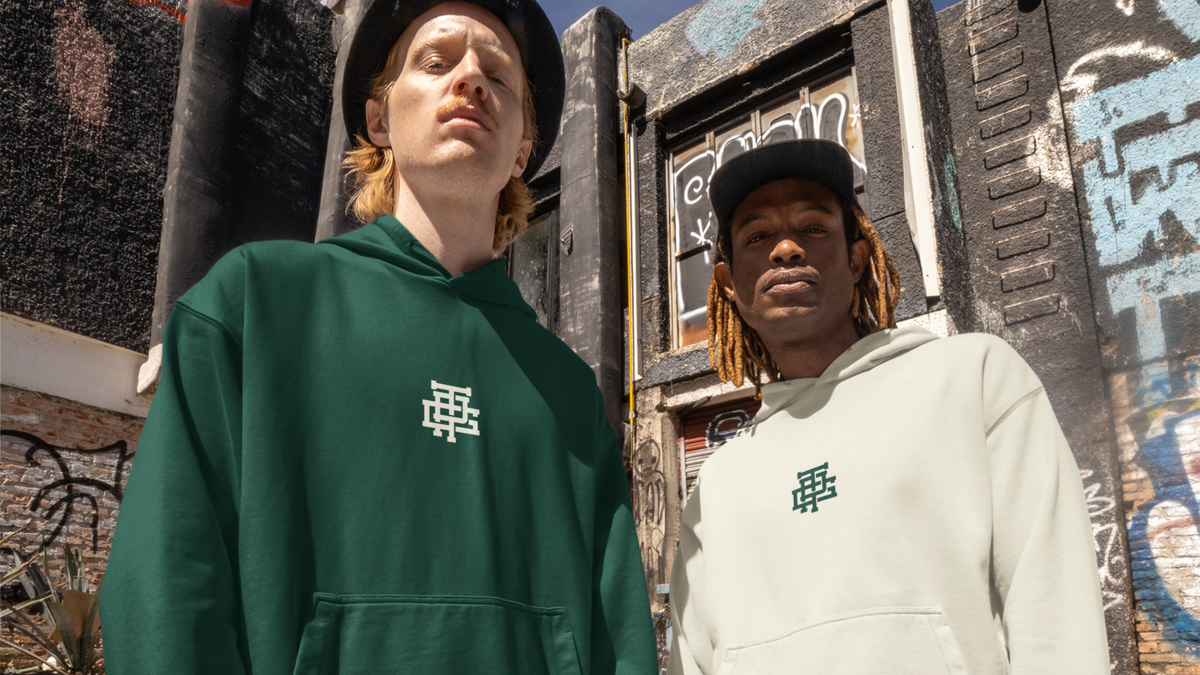
The gear works as hard as traditional golf clothing. Moisture-wicking fabrics, UV protection, and stretch materials perform during a round. But it's styled with bold graphics, oversized fits, and vibrant patterns you'd see in any streetwear shop. Hoodies with golf-specific fabrics replace stiff windbreakers. Relaxed joggers sit where pleated khakis used to. Spikeless, sneaker-inspired golf shoes work on the course and the street.
Golf streetwear reflects a shift in golf culture towards inclusivity and fun. It's designed for golfers who see the game as part of their lifestyle, not separate from it. The clothing signals community, confidence, and embracing golf without the stuffiness. You can wear it to the course, the pub, or out with friends without changing.
Golf streetwear feels natural now, but the journey to get here took years.
The Origins: Where Golf Streetwear Started

From Country Club to Street Culture
Traditional golf clothing dominated the early 2000s. Adidas, Nike Golf, and heritage brands offered performance gear but conservative style. Younger players started pushing back against rigid dress codes, but the sport remained isolated from the streetwear wave reshaping mainstream fashion.
Tiger Woods' Nike partnership brought athletic style to golf, but it was still performance-first, not street-inspired. The disconnect was obvious by the mid-2010s. A new generation of golfers aged 18 to 34 wanted clothing that reflected their personality beyond the course. Streetwear's influence was reaching its peak: hoodies, joggers, and graphic tees were everywhere except golf.
Golf's participation numbers were declining. The sport needed younger, more diverse players, but the gear didn't fit their lifestyle. Independent brands started appearing, questioning why golf clothing couldn't be durable, high-quality, and stylish simultaneously. Social media gave small brands a way to build a community around a new vision for the game.
Nike Golf began experimenting with bolder colours and relaxed fits. Early resistance came from traditional golfers, but younger players loved it. This opened the door for more brands to step in and push boundaries further. The first wave of change had begun.
The Movement Takes Shape: 2018-2022

Eastside Golf launched in 2019 and changed everything. Founded by Earl Cooper and Olajuwon Ajanaku, the brand had a mission beyond selling clothing. Eastside Golf aligned with hip-hop and skate cultures, breaking the sport's historically exclusive image. The swinging chain logo became iconic, a visible connection to streetwear heritage. Collaborations with Jordan Brand legitimised golf streetwear at the intersection of sport and culture, proving golf clothing could carry cultural weight and drive social change.
Malbon Golf, already established, hit its stride during this period. Partnerships with New Balance and Nike brought sneaker culture into golf. Limited drops and capsule collections created hype. People queued online at checkout, and the community around Malbon wasn't just buying gear—they were joining a movement.

Other brands emerged with their own take on the culture. Manors Golf brought refined streetwear aesthetics with a focus on quality and fit. Metalwood Studio tapped into '90s nostalgia with retro-inspired designs. Students Golf challenged heritage brands with accessible pricing and confidence-driven messaging. These brands built connections through storytelling, not just selling products.
The pandemic accelerated everything. Golf surged in popularity as an outdoor, socially distanced activity. New players, especially younger ones, didn't care about old dress codes. Comfort became non-negotiable. Hoodies, joggers, and relaxed fits were already mainstream everywhere else. Golf courses adapted, dress codes loosened, and streetwear-style clothing became acceptable.
Major collaborations reshaped perception. Malbon Golf x Jimmy Choo repositioned golf apparel as highly covetable streetwear drops. Nike's Eastside Golf 'Take Flight' collection blended streetwear style with elite golf functionality. These weren't just marketing exercises. They signalled that golf had arrived in streetwear culture. People started talking about golf "drops" and limited "pieces," not just buying gear.
By 2022, golf streetwear wasn't niche anymore. It was shaping the entire sport.
Check out my article on the top golf streetwear brands in 2026.
Golf Streetwear in 2026: Mainstream and Evolving

Nearly half of modern golfers are now aged 6 to 34, influenced by fashion that resonates with Gen Z and Millennials. Golf streetwear has evolved into a course-to-café fashion movement. High-end luxury brands like Louis Vuitton and Off-White have entered the golf fashion space, proving the cultural relevance of what started as counter-culture.
The 2026 trends in golf fashion emphasise quiet luxury, 90s/Y2K revivals, and versatile hybrid garments. Trends in golf apparel are shifting toward textured collars, bold graphics, and mock-neck tees. Spikeless golf sneakers with high-traction soles dominate footwear, worn directly from course to street. Performance joggers are tailored, tapered, and made with stretchy, water-repellent fabric.
UK brands like Three Putt Golf are proving that golf streetwear isn't just an American movement. Built around heavyweight cotton, relaxed and oversized fits, and six graphic designs, Three Putt connects golf with British street culture in a way that feels authentic to local communities.
The cultural impact is undeniable. Golf streetwear has made the sport more appealing to a diverse audience. Younger golfers expect clothing that reflects their personality and works in social settings. The drive isn't just to play golf, it's to be part of a culture that feels inclusive and creative.
Golf streetwear isn't a trend that will fade. It's a permanent shift.
Why Golf Streetwear Matters
Golf streetwear has challenged the sport's exclusive image. New players don't need to buy a whole new wardrobe to fit in anymore. You can step onto the course wearing what you'd wear any other day, and the psychological barrier of "looking the part" is gone.
Traditional golf culture emphasized conformity. Golf streetwear celebrates individuality, confidence, and personal style. The community that's formed around these brands is built on support, not gatekeeping.
Younger generations didn't reject golf; they rejected what golf looked like. Golf streetwear proved the game could evolve without losing its essence, driving participation growth among diverse demographics who finally see themselves reflected in the sport.
Conclusion
Golf streetwear started as a rebellion against traditional golf's dress codes and exclusive culture. Independent brands took risks, challenged norms, and built communities that felt shut out. Major players like Nike Golf and Eastside Golf legitimised the movement, and what began as niche is now mainstream.
In 2026, golf streetwear is the default for younger players. The aesthetic, philosophy, and community aspects have become inseparable from modern golf culture. Golf streetwear didn't just change what golfers wear. It changed who gets to be a golfer in the first place.
Ready to embrace the movement? Explore Three Putt Golf's collection and see how UK streetwear is redefining the game.
About the Author
Graeme is a golf enthusiast and writer who believes the best golfwear should work as hard off the course as it does on it. Drawing on years of testing brands across every level, from high street to heritage, he writes honest, wearable reviews that cut through the marketing noise. When he's not reviewing the latest drops, you'll find him on the fairways of West Yorkshire, usually three-putting.
Frequently Asked Questions About Golf Streetwear
What is golf streetwear?
Golf streetwear is a hybrid fashion movement that blends high-performance materials with relaxed, urban aesthetics. It incorporates high-tech, moisture-wicking fabrics with bold graphics and vibrant patterns, creating clothing that works on the golf course and in everyday life. Golf streetwear has evolved into a course-to-café fashion movement, designed to be worn from the first tee to the pub without changing.
Is golf streetwear appropriate for all golf courses?
Most public golf courses now accept streetwear-style clothing as long as it meets basic standards: collared shirts or acceptable alternatives, no denim, and appropriate footwear. Many clubs have relaxed their dress codes to welcome younger players. However, private and traditional clubs may still enforce stricter rules. It's worth checking the specific dress code before your round.
What are the key features of golf streetwear?
Oversized fits and bold graphics are popular in contemporary golf clothing, appealing to a younger audience. The traditional tucked-in polo is being replaced by looser, boxy cuts with graphic designs or unique textures. Modern golf apparel combines performance with style, allowing for a seamless transition from the golf course to everyday life. Spikeless, sneaker-style shoes and tapered joggers are also standard.
Why has golf streetwear become so popular?
Golf streetwear has made the sport more accessible and appealing to younger, diverse audiences who previously felt excluded by traditional golf culture. It removes the psychological barrier of needing special clothing to play, allowing people to wear what reflects their personality. Social media, collaborations with major streetwear brands, and tour players embracing the style have all legitimised the movement.
Where can I buy golf streetwear?
Golf streetwear is available through brand websites, independent online shops, and select retailers. Many brands like Three Putt Golf, Eastside Golf, and Malbon Golf sell directly to consumers through their own websites. Major sportswear retailers like Nike and Adidas now also stock streetwear-inspired golf clothing alongside traditional performance gear.