Old School Golf Outfit | Vintage Golf Style Guide

Updated on: March 18, 2026 • [11 min read]
Author: Graeme
Golf fashion has been on a journey. From heavy tweed knickerbockers and formal Victorian dress codes to moisture-wicking fabrics and streetwear-inspired fits, what golfers wear on the course has changed more than the game itself.
But old school golf outfits never really disappeared. The classic style, the heritage fabrics, the sharp tailoring. It all still influences what the best golf clothing brands are doing today.
This guide covers the full history, the iconic looks worth knowing, and how vintage golf fashion connects to the way modern golfers actually want to dress in 2026.
Short on time? Here are the key takeaways
- Golf fashion started formal. Victorian golfers wore heavy tweed, knickerbockers, and formal attire that prioritised social standing over comfort or performance
- The 1920s defined the classic look. Plus fours, argyle vests, flat caps, and two-toned spectator shoes created the aesthetic most people picture when they think of old school golf
- The 1940s changed everything. Polo shirts and lightweight trousers replaced formal layers, making golf clothing practical for the first time
- The 1970s brought colour and synthetics. Bold patterns, bright colours, and logo culture established the polo-and-trousers combination still popular today
- Tiger Woods modernised the game. His Nike partnership popularised athletic performance wear and challenged traditional dress codes
- Modern golf fashion blends all of it. Performance fabrics, vintage-inspired design, streetwear fits, and sustainability are shaping how golfers dress now
- Three Putt sits at the intersection. Heritage respect, modern streetwear, and premium quality without the costume

The Origins: Victorian Golf and the Formal Era

Golf attire started as an extension of the British elite's formal dress code. Social standing came first. Athletic flexibility came a distant second.
Victorian golfers wore heavy tweed knickerbockers, jackets, and formal attire that were completely impractical for playing the game. The clothing was built from natural fibres: tweed, wool, cotton. Great quality materials, but designed for country estates rather than swinging a club. Early golfers faced genuine challenges with restrictive clothing that prioritised appearance over movement.
Golf fashion has always carried identity and cultural meaning beyond function. That thread runs all the way through to modern streetwear.
The Golden Age: 1920s to 1940s

This is the era most people picture when they think of old school golf.
The 1920s "Bobby Jones" look
Plus fours became the defining garment: baggy knickerbockers extending four inches below the knee, paired with a dress shirt and necktie, a knitted cardigan, and a flat cap made from tweed. Knee-high socks and two-toned leather Oxford spectator shoes completed the look. Argyle vests and sweaters were staple pieces, often layered over a button-down or polo underneath. Sharp, gentlemanly, and built around timeless preppy patterns that still influence golf fashion a century later.
The 1940s shift
The Great Depression and WWII forced golf fashion to grow up. Economic pressures pushed the game away from exclusive formal wear and towards practical, everyday clothing for the first time. The 1940s introduced polo shirts and lightweight trousers, replacing heavy layers with lighter fabrics and more relaxed silhouettes. Open-necked polos and pleated slacks became the new standard.
This was the moment golf clothing stopped being a uniform and started being something golfers actually wanted to wear.
The Bold Era: 1970s to 1990s

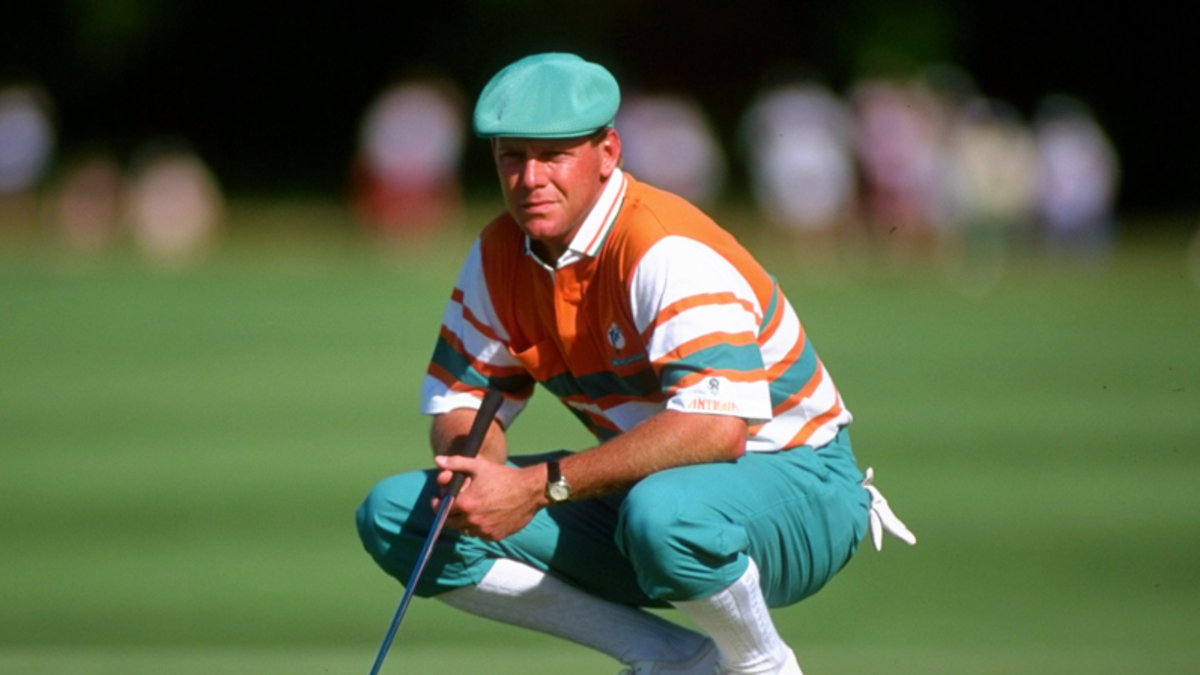
The 1970s introduced synthetic fabrics and bright colours, and golf fashion got loud. Bold patterns, logo culture, and the classic polo-and-trousers combination became the standard that still dominates most golf courses today.
This is the era that built the brands. Nike, Ping, Callaway, Ralph Lauren, and Taylormade became iconic names in golf apparel. Vintage golf polo shirts from this period feature authentic logos, patterns, and fabrics that stand out on the course, and the craftsmanship of many vintage pieces from the 70s and 80s surpasses modern mass-produced standards.
By the 1990s, golf fashion had increasingly incorporated athletic-inspired looks. The polo shirt was no longer formal. It was functional. And the door was open for what came next.
This era also created the vintage golf market that exists today. Shopping for vintage golf polo shirts means finding clothing with history, character, and unique designs that modern production lines don't replicate. If you've ever picked up an old Ralph Lauren golf polo in a charity shop and thought "they don't make them like this anymore," you're not wrong. They often don't.
The Tiger Effect and Modern Performance
Tiger Woods changed golf fashion overnight. His partnership with Nike revolutionised golf apparel, emphasising athletic performance and comfort over traditional dress codes. Bold red performance shirts became iconic. The game stopped looking like a gentleman's pastime and started looking like a sport.
Modern golf fashion followed that lead. Moisture-wicking fabrics, UV protection, breathability, and athletic fits became the priority. Golf attire evolved from heavy tweed jackets and formal layers to breathable, performance-driven gear designed to actually help you play better.
That shift reflects something bigger. Golf moved from an elite pastime to accessible recreation, and the clothing moved with it. Streetwear entered the conversation in the 2000s, and the idea that golf clothing should only work on the golf course started to disappear.
Old School Golf Style in 2026: Where Vintage Meets Modern

Retro-inspired golf apparel is having a moment. Golfers want to stand out on the course with unique designs and character, but nobody wants to look like they're wearing a costume. The best retro-modern golf clothing takes the principles of old school style and applies them to contemporary fits and performance fabrics. Nostalgia with function. Heritage with breathability.
Classic polo shirts from the mid-20th century are inspiring modern-retro styles with structured collars and breathable performance fabrics. Comfort and ease of movement remain central. The sharp tailoring and considered colour palettes that made vintage golf clothing great are showing up in brands that understand the difference between looking back and being stuck in the past.
For more inspiration, our guide to men's golf outfits covers the full picture.
Sustainability and the vintage movement
There's a practical side to the old school revival too. Shopping for vintage golf clothing is one of the most sustainable fashion choices a golfer can make, reducing demand for new production and minimising waste. Many modern golf apparel brands are now incorporating recycled materials, including polyester made from ocean plastic, and forward-thinking brands are creating clothing from upcycled and organic materials.
The movement towards sustainability and the appreciation of vintage quality are connected. Both come from the same place: a return to clothing that's made to last rather than made to replace.
If you're heading to a tournament and want to get the dress code right, our guide to what to wear to a golf tournament covers everything for players and spectators.
Where Three Putt fits
Three Putt sits at the point where old school golf heritage meets modern streetwear. The brand takes the same principle that made vintage golf clothing great: premium materials, considered design, and clothing built to last. That quality-first approach shares DNA with Japanese golf brands, where craftsmanship and materials come before everything else.
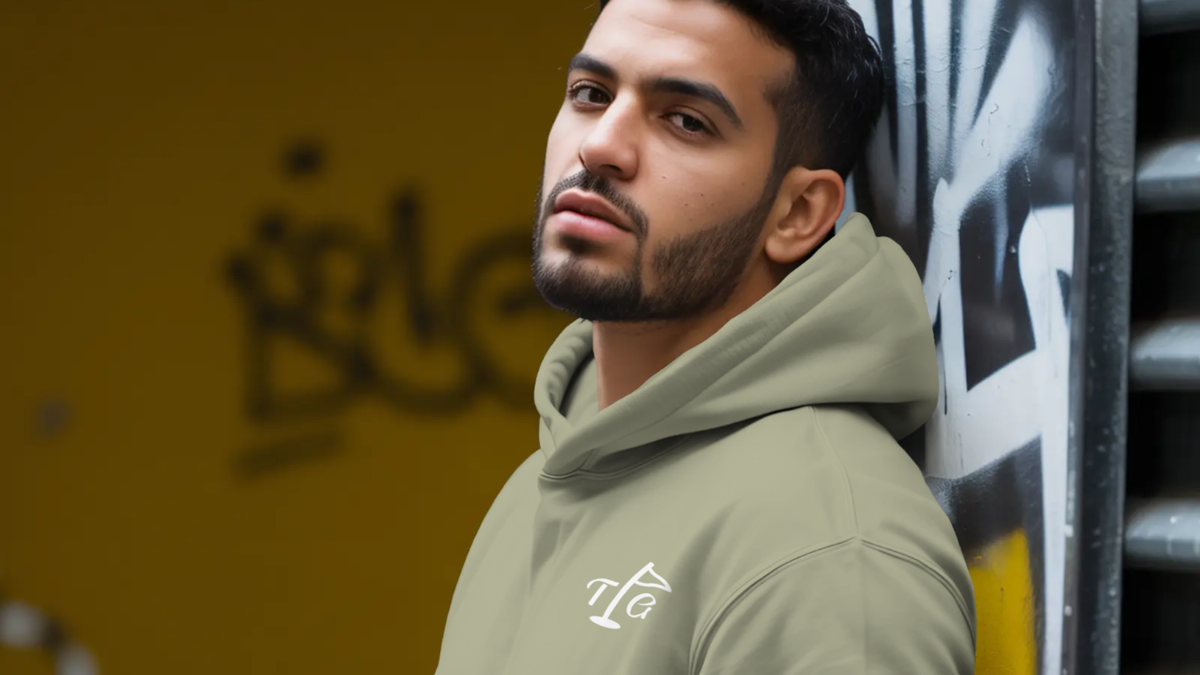
The heavyweight hoodie carries the same quality-first mentality that defined the best golf clothing of the 1920s, applied to a silhouette that works on the course and everywhere else. The 260gsm cotton tee takes that same heavyweight approach to the everyday layer, cut oversized in a streetwear fit that connects to where golf fashion is heading.
Old school quality. Modern identity. Discover the latest arrivals and check out the range.
Final Thoughts
Golf fashion has transformed from restrictive Victorian formality to performance-driven modern wear. Every era left its mark: the sharp tailoring of the 1920s, the practicality of the 1940s, the boldness of the 1970s, the performance revolution Tiger Woods started.
Old school golf outfits were never just about clothes. They were about identity, standards, and caring about how you present yourself on the course. That hasn't changed. The best modern golf brands respect that heritage while building for what comes next.
Three Putt Golf sits in that tradition. Heritage respect, modern streetwear, premium quality. Follow the journey on Instagram.
Frequently Asked Questions
What is an old school golf outfit?
A traditional golf outfit combines classic 1920s-1950s tailoring with timeless preppy patterns, emphasising a sharp, gentlemanly aesthetic over modern performance wear. Plus Fours, or Plus Twos, are baggy knickerbockers that extend four inches below the knee and are characteristic of 1920s-1940s vintage golf style. Paired with argyle vests, flat caps, hats, knitted cardigans, and two-toned leather Oxford spectator shoes that emerged in the 1920s and remain a popular choice for classic golf attire. The accessories and layers are what make the look.
Is vintage golf clothing worth buying?
Vintage golf clothes are made from high-quality materials designed to last, and the craftsmanship of vintage golf pieces often surpasses modern standards, ensuring long-term durability. Each vintage golf shirt embodies classic style, performance, and quality. Shopping vintage is also a sustainable choice that customers increasingly support, reducing demand for new production. Brands like Nike, Ping, Callaway, and Ralph Lauren all have men's vintage golf polo shirts worth exploring if you want something with history and character that modern mass production doesn't match.
How has golf fashion changed over the years?
The 1970s-90s introduced bold synthetic fabrics, bright patterns, and logo culture, establishing the classic polo-and-trousers combination still popular today. Since the 1990s, golf fashion has increasingly incorporated athletic-inspired looks, including bold red performance shirts and golf streetwear. Modern golf fashion emphasises performance with features like moisture-wicking properties and UV protection, while also focusing on sustainability with recycled materials and athleisure designs that transition seamlessly from course to casual settings.
How do you dress retro for golf without looking like a costume?
Focus on the principles rather than the pieces. The sharp tailoring, quality fabrics, and considered colour palettes of old school golf are what make the style timeless. Modern retro-inspired golf apparel takes those elements and applies them to contemporary fits and performance fabrics, letting you stand out on the course without dressing for a fancy dress party. Explore brands that match heritage design with modern products and construction rather than trying to recreate a look from a century ago.
Where can I find modern golf clothing inspired by old school style?
Three Putt Golf takes the quality-first mentality of vintage golf clothing and applies it to modern streetwear fits. Discover the latest arrivals and explore the full range at threeputtgolfclothing.co.uk. Orders ship UK-wide, and you can follow the journey and check out new drops on Instagram. For vintage pieces, charity shops, eBay, and specialist vintage retailers carry golf polo shirts and accessories from the golden eras of golf fashion.