Spike vs Spikeless Golf Shoes: Which Should You Actually Wear?
Updated: July 8, 2026 · Read time: 7 min
Author: Graeme

Walk into any pro shop and the spike vs spikeless golf shoes question gets you a different answer depending on who's behind the counter. Both camps are convinced. Both are half right.
Spiked golf shoes give better traction in wet conditions, on hilly courses, and through the winter months, while spikeless golf shoes are more comfortable, more versatile, and grip nearly as well on dry ground. Most golfers are best served by spikeless from spring to autumn and spiked when the course turns soft.
Here's the actual difference, when each style wins, and what the pros wear — from a golfer on wet West Yorkshire fairways ten months a year.
Author Bio
Graeme is a golf enthusiast and writer who believes the best golfwear should work as hard off the course as it does on it. Drawing on years of testing brands across every level, from high street to heritage, he writes honest, wearable reviews that cut through the marketing noise. When he's not reviewing the latest drops, you'll find him on the fairways of West Yorkshire, usually three-putting.
Short on Time? Here's the Spiked vs Spikeless Verdict
- Spiked shoes offer more traction in wet conditions, on slopes, and in winter — the cleats dig in where rubber nubs slide
- Spikeless shoes win on comfort and versatility — wear them from the car to the course to the clubhouse without changing shoes
- On dry summer ground, the traction difference is minimal for most swing speeds
- Soft spikes are replaceable; spikeless outsoles aren't — when the nubs wear down, you're buying new shoes
- Most golfers should own one pair of each, or go spikeless with a waterproof upper if buying just one

What's the Difference Between Spiked and Spikeless Golf Shoes?

Spiked golf shoes have removable cleats, almost always plastic "soft spikes" now, since metal spikes are banned at most golf courses for chewing up greens. The cleats screw into the sole, dig into turf, and can be replaced when they wear out.
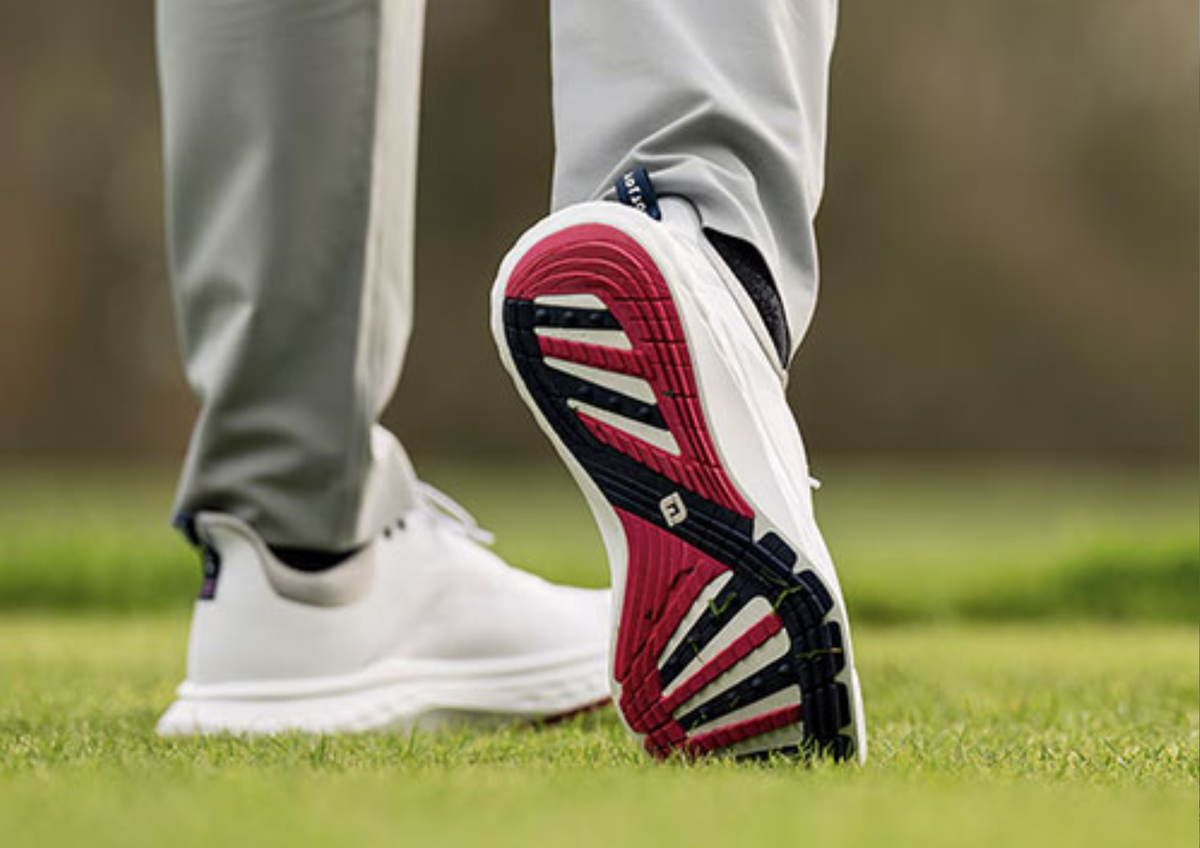
Spikeless golf shoes swap cleats for a flat outsole covered in rubber nubs, dimples, and multi-directional lugs. The tread is part of the shoe itself, which makes them lighter, lower to the ground, and wearable off the golf course. But once the outsole wears smooth, there's no replacing it.
That one design choice drives every real difference between the two: grip, comfort, durability, and where you can wear them.
When Are Spiked Golf Shoes Better?
Wet weather. This is the big one. Cleats penetrate soft ground; rubber nubs sit on top of it. On a soaked fairway, spiked shoes keep your feet planted through the golf swing while spikeless models start to slip — especially at the top of the backswing, when your trail foot is loading up.
Slopes and hills. Side-hill lies on wet grass are where spikeless shoes give up first. If your home course is hilly, that anchoring matters every round.
Faster swings. More speed means more ground force. Golf Monthly's testers and most equipment reviews agree: stability under a fast swing is where spiked models earn their keep.
Winter golf. Mud, frost, temporary greens. Through a UK winter, spiked shoes aren't a preference, they're a requirement.
When Are Spikeless Golf Shoes Better?

Comfort and walking. Spikeless shoes flex like trainers, weigh less, and don't press cleat points into your foot on cart paths and clubhouse concrete. Over 18 holes of walking, that adds up.
Versatility. Drive to the course, play, have a pint, drive home. One pair, no changing shoes in the car park. Modern spikeless designs pass as regular sneakers, which is a big part of why golf's gone casual on footwear.
Dry conditions. On firm summer ground, aggressive tread patterns grip plenty well. FootJoy's Pro SL — the most popular spikeless shoe in golf and a fixture on tour — proved a decade ago that spikeless traction holds up under serious golf. FootJoy's whole range impressed us; see our honest FootJoy golf review for the full breakdown.
Practicality. No cleats to replace, no cleat wrench lost in a drawer, nothing to unscrew mid-season.
Spiked vs Spikeless Golf Shoes Compared
| Spiked | Spikeless | |
|---|---|---|
| Traction (wet) | Excellent | Fair |
| Traction (dry) | Excellent | Good |
| Comfort & walking | Good | Excellent |
| Versatility off-course | Poor | Excellent |
| Durability | Replaceable cleats | Outsole wears out |
| Winter golf | Yes | Not recommended |
| Typical UK price | £70–£180 | £60–£170 |
Do Pros Wear Spiked or Spikeless Golf Shoes?
Mostly spiked — but not the metal kind. Rory McIlroy wears soft spikes on his Nike Victory Tour shoes, and Golf Digest estimates only around 15% of a tour field still uses metal spikes. Tour pros generate enormous ground force and play in every condition, so cleats make sense for them.
Spikeless has its tour believers too. Fred Couples wore spikeless Eccos at the 2010 Masters and made them mainstream overnight, and plenty of pros now use a spikeless pair for practice days.
Nike and Adidas build tour-level shoes in both styles, and we've rated their golfwear in our Nike golf review and Adidas golf review. If the best players in the world split the difference, your answer comes down to conditions, not tour logos.
Which Should You Buy?
Be honest about where and when you actually play golf:
- You play year-round in the UK: one pair of each. Spikeless from late spring, spiked when the course softens. My spiked pair does more rounds than my spikeless pair every year, purely because of the West Yorkshire weather.
- You play mostly in summer or in dry climates: spikeless. The comfort and versatility win, and you'll never miss the cleats.
- You play one pair for everything: waterproof spikeless with an aggressive tread. It's the best single-shoe compromise.
- Whatever you choose, make sure they fit properly. Traction means nothing if your heel lifts inside the shoe. Try them on with golf socks, late in the day, when your feet are biggest.
And if you're flying somewhere for golf, take two pairs — one waterproof — as covered in our golf trip packing list. Wet shoes from a morning round never dry by the afternoon.
Final Thoughts
The spiked vs spikeless golf debate has a boring answer: it's not personal preference, it's conditions. Dry summer golf equals spikeless, every time. Wet, hilly, winter golf, then it's spiked, no contest. Golfers who play both need both.
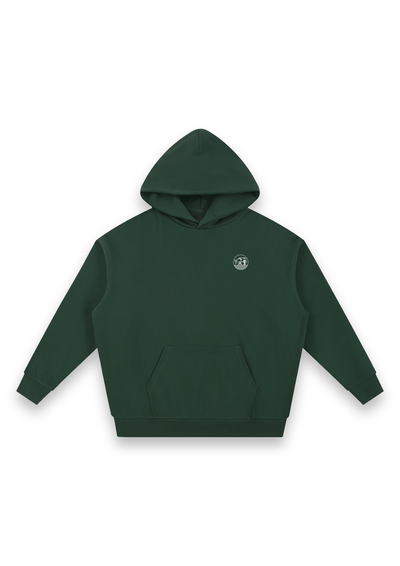
Three Putt Golf is a UK streetwear golf clothing brand built for everyday golfers — the ones playing muddy Sunday rounds, not tour events. Our heavyweight golf hoodies are made for exactly those rounds. Browse the full range and join the list to hear about new designs first.
Frequently Asked Questions About Spiked and Spikeless Golf Shoes
Are spiked or spikeless golf shoes better?
Neither is better overall. Spiked golf shoes give more traction in wet, hilly, or winter conditions, while spikeless shoes are more comfortable, lighter, and wearable off the course. On dry ground the grip difference is small, so choose based on the conditions you play in most.
Are spikeless golf shoes good in wet conditions?
They're adequate in light rain if the tread is aggressive and the upper is waterproof, but on soaked or sloping ground, rubber nubs can't match cleats. If you regularly play in wet conditions, spiked shoes are the safer choice for grip through the swing.
Do pros wear spiked or spikeless golf shoes?
Most tour pros wear spiked shoes with plastic soft spikes — around 15% still use metal spikes, according to Golf Digest. A growing minority play spikeless, following Fred Couples, who wore spikeless Eccos at the 2010 Masters.
Why are metal spikes banned at golf courses?
Metal spikes tear up greens and damage clubhouse floors, paths, and tee boxes. Turf research from Purdue University found plastic alternative spikes cause far less damage to grass, which is why most courses banned metal decades ago.
How long do spikeless golf shoes last?
Typically one to two seasons of regular play. Because the rubber outsole is moulded into the shoe, it can't be replaced once the nubs wear down, unlike soft spikes, which screw out and cost a few pounds to renew. Walking on concrete and gravel wears spikeless tread fastest.
Join the club
Get 10% off your first order.
Join the club for 10% off your first order, plus first look at new drops. Free UK delivery on everything.
A couple of emails a week. Unsubscribe any time. Privacy policy.
You're in. Here's your code for 10% off your first order:
It's already added to your basket.
Shop the range