Golf Dress Code Explained: Every Rule You Need to Know in 2026
Updated on: April 2, 2026 · ~11 min read
Author: Graeme
Golf attire confuses more people than the rules of golf themselves. Half the golfers in a car park on a Saturday morning are Googling what they can get away with, and the other half already got turned away and are driving home to change. This guide explains the golf dress code at every type of UK club, including what to wear, what's banned, and how the rules actually differ in practice.
The golf dress code in 2026 follows three tiers: traditional (collared shirts, tailored trousers, proper golf shoes), smart casual (polo shirts, chinos, clean footwear), and relaxed (breathable fabrics, fewer rules, lower barrier). Most golf courses have a dress code. The specific rules vary from club to club. That's the problem, and that's why this guide exists.
I play off 12.4 at Headingley Golf Club in Leeds. The dress code there is stricter than some and more relaxed than others. That range is exactly the point. Every golf club is different, and the only universal rule is check before you go.
Author Bio
Graeme is a golf enthusiast and writer who believes the best golfwear should work as hard off the course as it does on it. Drawing on years of testing brands across every level, from high street to heritage, he writes honest, wearable reviews that cut through the marketing noise. When he's not reviewing the latest drops, you'll find him on the fairways of West Yorkshire, usually three-putting.
Short on time? Here are the key takeaways
- Three dress code tiers: traditional, smart casual, and relaxed. Know which one your golf course follows
- Collared shirts are the standard at most golf clubs, where polo shirts and button-downs both work
- Tailored trousers or shorts. No jeans, no denim, no swimming shorts
- Golf shoes are essential. Soft spikes or spikeless, check if trainers are permitted
- Clubhouse rules often differ from course rules. Some clubs are stricter indoors than out
- Jeans, t-shirts, tracksuits, and flip flops are banned at the vast majority of courses
- Remove hats and caps in the clubhouse and dining room at traditional clubs
- Phone on silent mode (this is etiquette, not optional)

The Three Types of Golf Dress Code

|
Traditional |
Smart Casual | Relaxed | |
|
Shirts |
Collared, tucked in | Polo / collared | Collared, or a performance tee |
|
Bottoms |
Tailored trousers or shorts | Chinos, tailored shorts | Wider options but no jeans |
|
Shoes |
Soft spikes / spikeless only | Clean golf shoes or smart trainers | Trainers are okay |
|
Typical Venue |
Private members' clubs | Most UK clubs | Public / pay-and-play |
|
Banned |
Denim, tees, trainers, tracksuits | Denim, athletic wear | Flip flops, football shirts |
Every golf club in the UK falls somewhere on a spectrum. The problem is nobody tells you where until you've already arrived in the wrong trousers.
There are generally three types of golf dress codes: traditional, smart casual, and relaxed. Here's what each one actually means in practice.
Traditional
The full works. Collared shirts mandatory. Tailored trousers or tailored shorts, no exceptions. Proper golf shoes with soft spikes or spikeless soles. Shirts tucked in. No denim, no t-shirts, no tracksuits, no trainers. This is your private members' club, your prestigious courses, your "we've been doing it this way since 1897" venues.
Guests and visitors get zero leniency. If anything, you'll be held to a higher standard than the members because nobody wants to be the person who invited someone dressed for a barbecue.
Smart casual
Where most golf clubs sit in 2026. Polo shirts, chinos, tailored shorts, clean footwear. Some clubs allow smart jeans and trainers under smart casual. But "some" is doing a lot of heavy lifting in that sentence. Don't assume yours is one of them.
Golf jackets and mid-layers are expected in cooler weather. The vibe is "you've made an effort" without requiring a wardrobe that only works on a golf course. Smart casual is structured enough to maintain standards and flexible enough not to scare off newer golfers or those who haven't played golf before.
Relaxed
Public courses, council tracks, pay-and-play venues. Breathable fabrics, wider clothing options, fewer hard rules. You'll still get pulled up for flip flops and football shirts, but the baseline is deliberately lower.
This is where golf is trying to grow the game. Lower the barrier, get more people playing, worry about the dress code later. It's working, but even relaxed doesn't mean "wear whatever you want."
What Can You Wear on the Golf Course?
Shirts
Collared shirts are the standard. Polo shirts, button-downs, and mock-necks at progressive clubs. That's the list. A collared polo is the universal safe choice. No golf course in the country will turn you away for wearing one.
Men's shirts should have a collar at traditional and smart casual clubs. No negotiation. Some relaxed courses accept performance tees from golf brands, but a t-shirt without a collar is still a t-shirt at any club that takes its dress code seriously.
Tucking in: professional players are expected to keep their shirts tucked in at all times. At the club level, most courses enforce it during competitions and matches but relax it for casual rounds. Know before you walk to the first tee. Asking at the pro shop takes ten seconds.
Trousers and Shorts
Tailored trousers or golf-specific trousers. Tailored shorts that reach just above the knee. That's what every golf course expects as a minimum.
What's not acceptable: jeans, denim of any colour, cargo shorts, swimming shorts, athletic shorts, tracksuit bottoms. If it has a drawstring and no belt loops, leave it in the car. If it's denim, leave it at home entirely.
Footwear
Proper golf shoes are essential. Shoes must be worn at all times on the course. Soft spikes or spikeless designs are the standard everywhere. Running shoes and trainers are increasingly permitted at relaxed venues, but traditional clubs won't entertain it.
If you're only buying one pair, go spikeless. They grip well enough for everything except a soaking wet hillside, and you won't need to change in the car park afterwards.
What's Banned Everywhere
Jeans. T-shirts. Tracksuits. Flip flops. Football shirts. Swimming shorts. Vests. The easiest way I've found to describe it to my mates is essentially anything you'd wear to wash the car on a Saturday morning.
This list doesn't change between traditional, smart casual, and relaxed. Even the most laid-back municipal course draws a line somewhere, and these items are on the wrong side of it at virtually every golf course in the UK.
Not sure where golf clothing ends, and fashion begins? Our guide to golf fashion trends covers everything from shirts to shoes.
Golf Dress Code in the Clubhouse
This catches more people out than the course rules.
Many golf clubs have specific dress codes for their clubhouses that differ from the course. What's fine on the 18th green might not be fine in the dining room twenty metres away.
Dining room: Traditional clubs expect smart attire. No hats, no caps, no golf shoes. Some require a collared shirt and tailored trousers, even if you're just having lunch. A handful of older clubs still expect ties, though thankfully, this is dying out faster than the members enforcing it.
Locker rooms: More relaxed, but still governed by general standards. Change your shoes, sort yourself out, move on.
Bar and lounge: Smart casual at most clubs. Polo shirt, chinos, clean shoes. The bar is usually the most forgiving space in the clubhouse, but jeans and trainers will still get flagged at traditional venues.
Pro shop: Nobody cares. You're spending money.
Guests and visitors: The dress code applies to you, too, arguably more so. Members won't shield you from a steward who thinks your outfit doesn't meet the standard. Check before you arrive so you don't embarrass the person who invited you.
For the most casual end of golf, see our guide to what to wear to Topgolf, where there's genuinely no dress code at all.
Golf Dress Code for Weather: What to Wear When Conditions Change

UK golf means dressing for four seasons in one round. It is what it is, we're just lucky we get to play!
- Rain: 100% waterproof golf jackets and trousers. Breathable, not bin bag material. Lined rain gear handles the cold, drizzly days. Pack it even when the forecast says dry.
- Cold: Thermal base layers, polo, mid-layer on top. The Three Putt crewneck sweatshirt (400 GSM, 100% cotton) handles cold mornings without bulk. Warm on the first tee, clean enough for the clubhouse after.
- Wind: Quarter-zips and gilets. Lightweight layers that move with your swing, not against it.
- Sun: Cap, sunscreen, breathable fabrics, water. Four hours in direct sun is no joke. Heatstroke doesn't care about your handicap.
Competition and Tournament Dress Codes
Tournaments tighten everything up.
Competitive dress codes are strictly enforced. At club and county level, you'll be asked to change or refused entry to the comp; at elite and professional events, violations can lead to fines or disqualification.
Shirts tucked in. Collared shirts mandatory. No exceptions on footwear. Smart conventional golfing attire at all times on the course.
This applies at every level. Club competitions, county events, open amateurs. Not just the professional game. If you're entering a comp, check the specific requirements. They'll be stricter than casual play.
Spectators should dress to match the country club casual vibe. Smart casual covers most events. For the full breakdown (players and spectators) see our guide to what to wear to a golf tournament.
Final Thoughts
As annoying as they can be, golf dress codes exist for a reason. The sport maintains a standard because the standard is part of the experience.
That doesn't mean they can't evolve. In 2026, they are. Smart casual is the new centre ground. Performance fabrics are replacing stiff cotton. Tailored joggers are gaining entry at progressive clubs. The game is opening up without throwing the standards away.
One rule never changes: check before you go. Every golf club is different. Five minutes on a website saves a wasted drive and an outfit change in the car park.
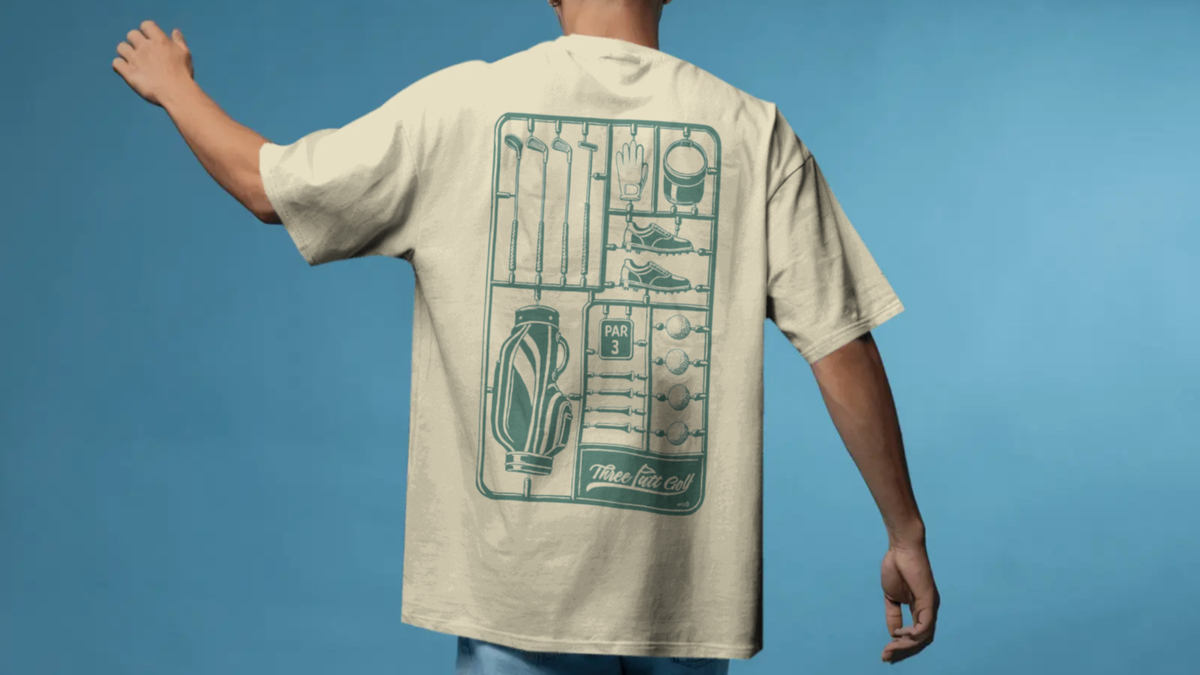
Three Putt Golf makes golf clothing built for the course and everywhere else. The t-shirt collection is heavyweight 260gsm cotton, cut oversized, for the range, casual rounds, and everything off the course. Browse the full range and join the list to hear about new designs first.
Frequently Asked Questions About Golf Dress Code
What is the standard golf dress code in the UK?
Most golf clubs follow a smart casual standard: a collared polo shirt, tailored trousers or shorts, and proper golf shoes. Traditional clubs enforce stricter rules on tucked-in shirts, no trainers, and smart attire in the clubhouse. Relaxed public courses allow more flexibility. The specific dress code varies from club to club, so check before you visit.
Can you wear jeans on a golf course?
At the vast majority of courses, no. Denim is banned under traditional and smart casual dress codes. A small number of relaxed public courses permit dark, smart jeans, but that's the exception. If you're unsure, wear chinos or tailored trousers and save yourself the drive home.
Do you need golf shoes to play golf?
Proper golf shoes are essential for stability and traction. Most golf clubs require them, either soft spikes or spikeless designs. Some relaxed courses permit clean trainers, but performance suffers without proper footwear. Spikeless golf shoes are the smartest first purchase for any new golfer.
What should you wear in the clubhouse?
Many golf clubs have clubhouse dress codes that differ from the course. Smart casual is standard in most bars and lounges. Traditional clubs require smart attire in the dining room. That means no hats, no golf shoes, sometimes a collared shirt and tailored trousers. Remove your cap indoors. Match the members around you.
Are hoodies allowed on the golf course?
Depends on the club. Progressive courses accept hoodies as a layering piece, especially pre-round and post-round. Traditional clubs typically don't allow them during play. Off the course (car park, range, clubhouse bar), a quality hoodie is standard golf layering in 2026.
Do golf dress codes apply at the driving range?
At a standalone range, generally no. Trainers, t-shirts, and casual clothing are fine. If the range is attached to a golf club, the club's dress code may extend to the range. Driving ranges are the most relaxed entry point into golf — the clothing barrier is deliberately low.