What to Wear to Golf - Know Your Course, Dress With Confidence
Updated: June 1, 2026 • 8 min read
Author: Graeme
What to wear to golf depends entirely on where you're playing.
Private clubs enforce strict traditional dress codes with no flexibility. Municipal courses and modern public venues are increasingly relaxed, welcoming performance tees, hoodies, and contemporary styles.
The gap between these extremes is widening. You might need a collared polo tucked into tailored trousers at one course and feel perfectly fine in a tee and hoodie at another. The key is knowing which type of venue you're visiting before you arrive.
This guide shows you what works where, helping you build a wardrobe that covers both ends of the spectrum.
In this guide
- The golf dress code spectrum
- What to wear at traditional courses
- What to wear at relaxed courses
- Smart additions that work everywhere
- How to know what your course requires
- FAQs
Short on time? Here are the key takeaways
- Traditional clubs require collared shirts, tailored trousers, proper golf shoes, with no flexibility.
- Relaxed municipal courses accept tees, hoodies and caps, which is where Three Putt's tees and hoodies fit.
- Always check specific dress codes beforehand as rules vary significantly between venues.
- Build wardrobe for both course types, like traditional basics plus modern pieces.

The Golf Dress Code Spectrum
| Traditional / strict | Smart casual | Relaxed / modern | |
| Tops | Collared polo, tucked in | Collared polo expected | Polo, performance tee, hoodie |
| Bottoms | Tailored trousers / knee-length shorts | Tailored trousers / shorts | Tailored shorts/trousers, more colour freedom |
| Footwear | Golf shoes (soft spike / spikeless) | Golf shoes; trainers rarely | Golf shoes; some trainers OK |
| Banned | Tees, hoodies, jeans, trainers | Jeans (usually), gym wear | Denim, cargo shorts, gym wear |
| Typical venue | Private members' clubs | Regional & local clubs | Municipal & urban courses |
| Three Putt fit? | After the round | Tees and hoodies: check first | Yes: hoodies, sweatshirts, tees |
Traditional/strict courses

Private clubs, exclusive country clubs, and traditional establishments maintain the strictest standards. Traditional dress codes require formal attire: collared shirts tucked in, tailored trousers or knee-length golf shorts, and proper golf shoes with soft spikes or spikeless designs. These venues offer no exceptions and no flexibility. T-shirts, hoodies, jeans, and trainers are absolutely prohibited.
These clubs preserve historical standards that define traditional golf culture. Many align with R&A etiquette guidance and enforce it at the pro shop.
Their dress codes are explicitly stated on websites and enforced at the pro shop. If you're unsure whether a course falls into this category, the membership structure usually tells you.
Private clubs with joining fees and traditional clubhouses almost certainly enforce strict dress codes. When in doubt at these venues, overdress rather than risk being turned away.
Smart casual courses

Regional clubs and local courses occupy the middle ground. Smart casual dress codes are slightly more relaxed whilst maintaining standards. Collared shirts are still expected, and tailored bottoms remain the norm. Some venues may accept smart jeans, though this is rare. Trainers are occasionally acceptable, but you should check first.
Most courses fall into this category, including my home course, Headingley. They hold standards without the rigidity of a private club, so the safest move is to dress as you would for a traditional course, even though there's a little more give.
The safe play is always a polo shirt and tailored trousers or golf shorts.
Relaxed/modern courses

Municipal courses, modern public venues, and urban golf facilities embrace relaxed dress codes that permit a wider variety of clothing. Breathable fabrics and sports clothes are accepted. Performance tees with golf-focused designs are increasingly common. Hoodies are embraced at many relaxed venues for cooler weather. Modern caps and streetwear aesthetics are welcomed rather than discouraged.
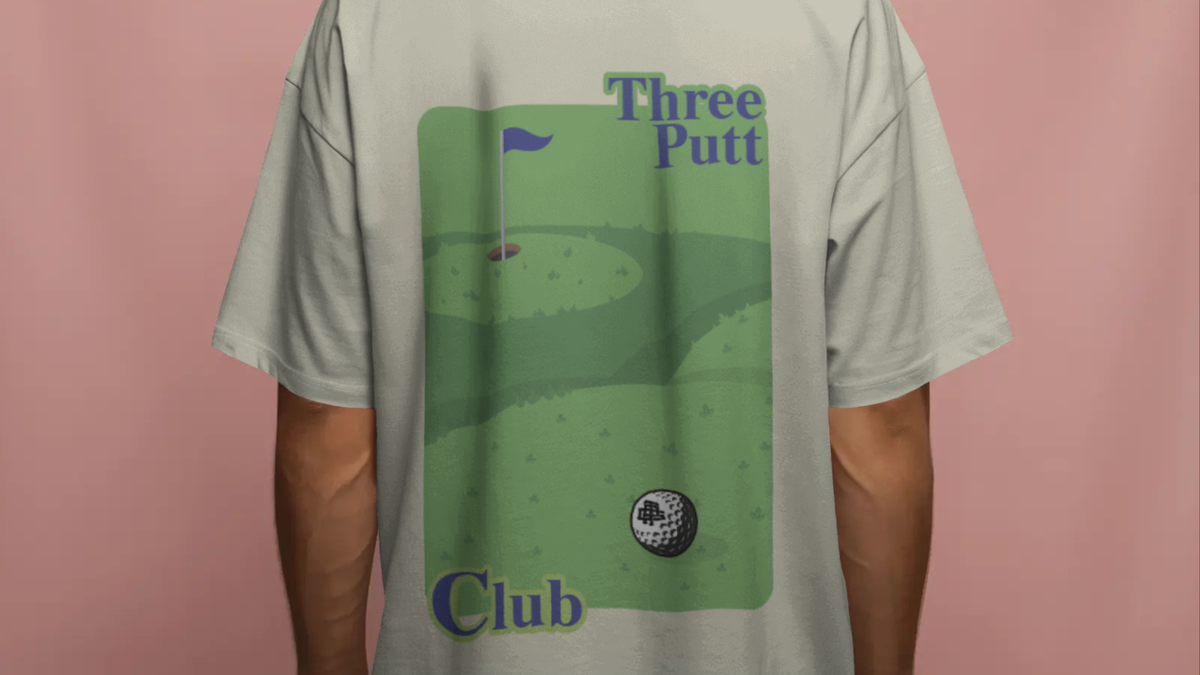
These courses attract younger golfers and casual players who want the sport without the formality. This is where golf culture is evolving fastest. Three Putt is designed specifically for these environments. Our heavyweight hoodies, sweatshirts and cotton tees fit naturally at relaxed municipal courses.
Always check specific venue rules. 'Relaxed' varies between courses, and what works at one municipal course might not fly at another. For a deeper comparison of these contrasting styles, read my article on golf streetwear vs traditional attire.
What to Wear at Traditional Courses
The non-negotiables
Tops
Collared polo shirts are standard for men and women at most golf courses. Mock-necks are accepted as alternatives. Shirts must be tucked in, except for some women's styles designed to be worn out.
Performance polos with moisture-wicking, 4-way stretch fabrics and built-in UPF protection are standard as of 2026. Materials like polyester and spandex blends offer superior performance compared to traditional cotton.
For more on current trends in traditional golf wear, check out my men's golf fashion guide.
What's absolutely banned: t-shirts, tank tops, hoodies, sports jerseys. No exceptions at traditional venues.
Bottoms
Tailored trousers, chinos, or tailored golf shorts for men. Golf skirts, dresses, or skorts for women.
Tailored golf shorts should sit close to knee-length (roughly a 9 to 11 inch inseam). Anything noticeably above mid-thigh reads as too casual for most courses.
Bottoms must have belt loops and be made from breathable materials. Golf trousers are made from flexible materials allowing unrestricted movement during your swing.
Absolutely prohibited: denim jeans, cargo shorts, athletic gym shorts, denim shorts. White trousers are acceptable but show dirt easily.
Footwear
Proper golf shoes are mandatory. Soft spikes or spikeless designs required, and metal spiked golf shoes are discouraged at most courses.
Shoes must be comfortable and supportive. Many clubs require you to change out of spiked golf shoes before entering the clubhouse.
Banned: flip flops, trainers, boots, casual trainers. No flexibility here.
Why these rules matter
It's important to abide by dress codes at golf clubs you visit. Traditional clubs preserve the sport's heritage through these standards. Being turned away is embarrassing and wastes your time. Many clubs require dress code compliance for insurance and membership reasons. Respecting rules shows respect for other golfers and the venue.
These venues won't change their standards. You adapt or play elsewhere. Understanding traditional requirements is essential even if you prefer relaxed courses. You'll eventually play a traditional course through corporate golf, tournaments, or guest invitations. Having the proper kit ready means you're never caught out.
What to Wear at Relaxed Courses

More freedom, but still standards
Collared shirts remain a safe choice and are widely accepted. Performance tees with golf-specific designs are increasingly common at relaxed municipal courses.
Hoodies are embraced at many venues for cooler weather, offering comfort without restricting your swing. For a complete breakdown of what works at casual venues, see my guide to casual golf attire for men.
Your tops must still be golf-appropriate. No gym shirts or worn-out tees from your wardrobe. Breathable, sporty fabrics are preferred for comfort and performance. Mock-necks work well as alternatives to traditional polos.
The same rules generally apply: tailored golf shorts or trousers. Avoid denim, cargo shorts, and athletic gym shorts even at relaxed courses. You'll find more flexibility in style and colour choices. Some relaxed courses accept chinos in casual cuts, though tailored options always look better.
The Three Putt philosophy
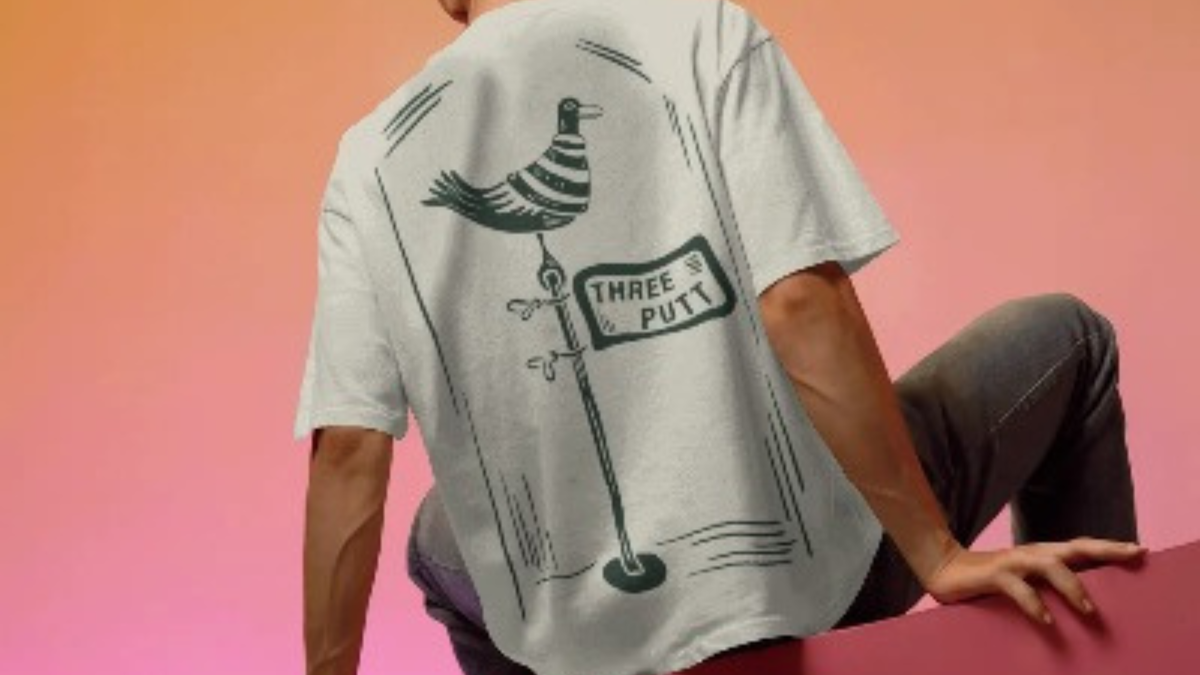
We design for golfers playing at relaxed municipal courses. Our heavyweight hoodies offer comfort without restricting movement. Our heavyweight 260gsm cotton tees bring streetwear aesthetics to the course in a cut that drapes rather than clings. Our 400gsm sweatshirts layer over a polo on colder days.
Modern golf culture embraces style alongside performance. Our pieces fit where dress codes welcome contemporary approaches. Learn more about the golf streetwear movement reshaping modern golf.
Know your venue before wearing Three Putt kit. Save our hoodies and tees for appropriate courses. We're building a wardrobe that respects both traditional and modern golf, giving you options for where you actually play.
Smart Additions That Work Everywhere
Accessories
Golf gloves worn on your lead hand (left hand for right-handed golfers) enhance grip and control. Hats or caps provide sun protection—peaks facing forward, removed before entering clubhouses. Comfortable socks prevent blisters. Sunglasses protect your eyes. A golf belt completes traditional looks.
Layering for weather
Layering adapts to changing conditions. Golf jumpers, quarter-zips, vests, or windbreakers for cool weather. Lightweight, packable jackets stow easily in your golf bag. Golf rain trousers and gloves protect against downpours. Three Putt hoodies work for layering at relaxed courses.
How to Know What Your Course Requires
Before you arrive
- Check the venue website for an explicit dress code.
- No code listed? Call the pro shop and ask.
- Assume private clubs are strict and municipal courses relaxed.
- Treat the driving range as the same code as the course.
- Playing a tournament or corporate day? Expect stricter rules.
Course vs clubhouse
Many golf courses have different dress codes for the course and clubhouse. Clubhouses often require more formal attire. You must change from spiked golf shoes before entering dining areas. Rules vary by time of day, and some clubs are more relaxed during casual lunch versus formal dinner.
Final Thoughts
What to wear to golf depends on where you play. Traditional courses demand traditional attire with no exceptions. Relaxed municipal courses embrace modern golf culture.
Three Putt is designed for the latter, with streetwear tees, heavyweight hoodies and sweatshirts for golfers who play at relaxed venues. Build a wardrobe covering both scenarios and you'll feel confident anywhere. Check the dress code beforehand, dress appropriately, and focus on your game.
Shop the collection and join the list to hear about new designs first.
About the Author
Graeme is the founder of Three Putt Golf and has spent years testing golf apparel across every tier, from supermarket basics to £400 shells. He plays off 12.4 at his home club in West Yorkshire and writes reviews from kit he has actually worn for a full round wherever possible, never gifted-and-forgotten samples. That first-hand testing is why the rankings here back specifics over marketing copy.
Frequently Asked Questions About What to Wear to Golf
What should I wear to play golf for the first time?
Golfers typically wear trousers or golf shorts, a collared shirt, white socks, and golf shoes. Traditional dress codes typically require more formal attire, such as collared shirts and tailored trousers or skirts.
Choose tailored trousers, chinos, or knee-length shorts for bottoms. Golf trousers are often made from flexible materials to allow for unrestricted movement during swings.
Wear golf clothes that are neat and appropriate for the course type. Denim jeans, cargo shorts, and gym wear are generally prohibited by golf dress codes.
Add a golf glove worn on your lead hand to enhance grip and control, plus a cap or visor for sun protection.
Can I wear hoodies and tees to golf?
Hoodies and performance tees work at relaxed municipal courses but aren't acceptable at traditional clubs with strict dress codes. Modern public venues and municipal courses increasingly welcome golf-specific hoodies and performance tees as acceptable golf clothing.
Traditional and private clubs prohibit these items entirely. You must wear golf shirts with collars at these venues. Always check the specific dress code before your visit. Three Putt hoodies and tees are designed for golfers who play at relaxed courses where contemporary golf clothes are embraced.
Are trainers allowed on golf courses?
Wearing trainers depends entirely on the venue. Traditional clubs prohibit trainers and require proper golf shoes with soft spikes or spikeless designs. Flat-soled athletic trainers may be acceptable at some relaxed courses if you lack golf-specific shoes, but not all courses allow them.
Most courses expect you to wear golf shoes for traction and performance. Many clubs require players to change out of golf shoes and into clean, casual footwear before entering dining areas. When uncertain, proper golf shoes are always the safest choice.
What clothing is never allowed on golf courses?
Denim jeans, cargo shorts, and gym wear are generally prohibited by golf dress codes regardless of how relaxed the venue. T-shirts, tank tops, flip flops, and sports jerseys are banned at most golf courses. You cannot wear shorts that are too short; tailored golf shorts should sit close to knee-length (around a 9–11 inch inseam).
Baseball-style caps and visors must be worn with the peak facing forward, and hats should be removed before entering the clubhouse. Even at the most relaxed municipal courses, certain standards apply. Comfortable socks, often low-cut or white, are recommended to prevent blisters during golf, whilst layering is essential for early-season golf to adapt to changing weather conditions.