Winter Golf Clothing: What to Wear in the Cold
Published: June 21, 2026
Updated: June 21, 2026
Read time: 11 min
Author: Graeme
Winter is the best-kept secret in golf. Empty fairways, no four-hour waits on the first tee, green fees that don't make you wince, and a course that feels like it's yours. And yet half the golfers I know vanish in October and don't resurface until April, because the one time they played in the cold they were miserable by the 4th and swore never again.
They weren't unlucky. They were just dressed wrong. Winter golf clothing isn't about piling on the thickest coat you own and hoping. It's a three-layer system: a moisture-wicking thermal base layer to keep sweat off your skin, an insulating mid layer to trap warmth, and a windproof, waterproof outer shell to block the weather. Add winter trousers, gloves, a hat and warm feet, and the cold stops being the reason you don't play. Brands like Galvin Green, Under Armour, Callaway, Nike and adidas all build kit specifically for it.
This guide walks through that system layer by layer, head to toe, with the brands and rough prices worth knowing and a full sample kit at the end. Get this right and you'll be one of the few still playing while everyone else waits for spring.
Author bio
Graeme is a golf enthusiast and writer who believes the best golfwear should work as hard off the course as it does on it. Drawing on years of testing brands across every level, from high street to heritage, he writes honest, wearable reviews that cut through the marketing noise. When he's not reviewing the latest drops, you'll find him on the fairways of West Yorkshire, usually three-putting.
Short on Time? Here are the key takeaways
- Winter golf clothing is a layering system, not one thick coat: base layer, mid layer, outer shell
- The base layer wicks sweat, the mid layer traps heat, the outer layer blocks wind and rain. Each has a job
- Layer thin, not bulky. Three slim layers keep you warmer and let you swing far better than one heavy one
- Don't neglect the extremities: winter gloves, a hat, thermal socks and waterproof shoes matter as much as the jacket
- Top brands for 2026: Galvin Green (premium), Callaway, Under Armour, Nike, adidas and Puma in the middle, Decathlon's Inesis for value
- A full winter setup, base to boots, comes together for around £335. Buy well and it lasts years

The Three-Layer System (Why Layering Beats One Big Coat)

The single biggest mistake in winter golf is reaching for one enormous jacket. It feels warm in the car park, then you sweat walking up the first, the sweat cools, and you spend the next three hours damp and freezing. One thick layer can't manage moisture and temperature across a four-hour round. Three thin ones can.
Here's the logic. The base layer sits against your skin and moves sweat away from it. The mid layer traps the warm air your body generates. The outer layer stops wind and rain stealing that warmth back. Together they give you complete protection while staying thin enough that you can actually make a backswing, which one padded coat never lets you do.
The bonus is control. Too warm on the 7th after a climb? Peel the mid layer and tie it round your waist. Wind picks up on the back nine? Zip the shell to the collar. A layered system adapts to a changing round and the UK's habit of serving four seasons before lunch. A single coat just makes you take it on or off, with nothing in between.
Base Layers: Your First Line Against the Cold
Everything starts here, and it's the layer most golfers skip. A good thermal base layer is a thin, close-fitting top (and leggings, if it's properly cold) that does one crucial job: moisture management. It pulls sweat off your skin so you stay dry, because damp skin is what makes you cold, not the air temperature.
Material matters. Merino wool is the gold standard for warmth-to-weight and it doesn't hold smells, but it costs more. Synthetic blends like Under Armour's ColdGear are cheaper, dry fast and work brilliantly. Either is fine. The one rule is to avoid cotton, which soaks up sweat, stays wet and chills you for the rest of the round.
Fit should be snug but never restrictive. The whole point is a thin layer trapping warm air against the body without adding bulk or fighting your swing. Get the base layer right and the layers above it work far better. Get it wrong, or skip it, and the best jacket in the world won't save you.
Mid Layers: Where the Warmth Actually Lives
If the base layer keeps you dry, the mid layer keeps you warm. This is the workhorse of winter golf and the piece you'll feel the difference from most.
The classic is the quarter-zip golf sweater or pullover. A merino or lambswool sweater looks smart and breathes well, while technical options like Callaway's Windstopper or Nike's Therma-FIT pullovers add a wind-resistant face that does double duty on milder days when you don't need a full shell. Fleece-backed mid layers are warmer still for the depths of winter.
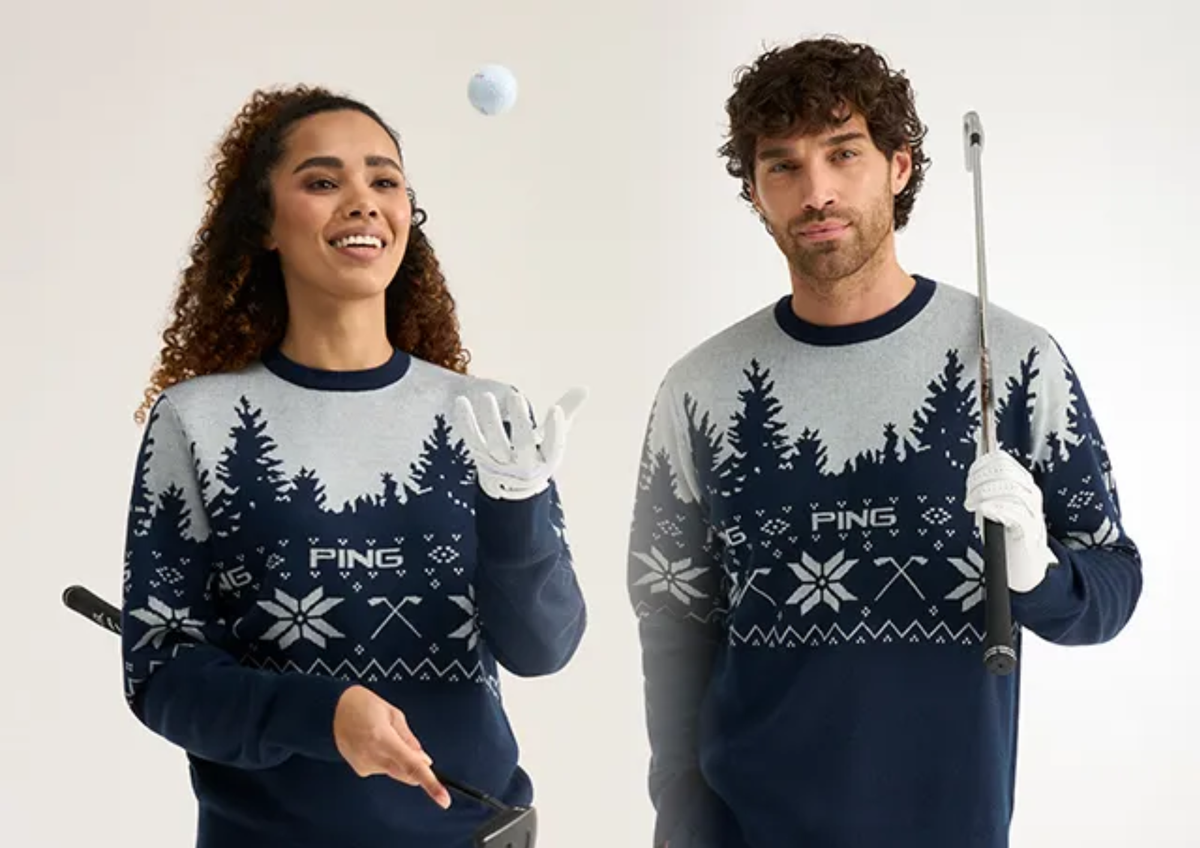
Whatever you choose, prioritise stretch. The mid layer sits right across your shoulders and chest, so any stiffness here wrecks your swing. The good ones move with you. This is also where you can have some fun with colour and style, from clean navy and grey to a bit of retro flair, because the mid layer is the bit that actually shows. On a mild winter day it's often the outermost thing you wear, so make it one you like.
Outer Layers: Jackets That Block the Wind and Rain
The shell is your defence against the two things that ruin a winter round fastest: wind and rain. There are three broad options, and the right one depends on the day.
Insulated jackets add their own warmth, with padding or synthetic fill. Pieces like the FootJoy Hybrid Insulated or adidas Ultimate365 Arctic jacket are ideal for cold, dry, still days when warmth matters more than weatherproofing.
Waterproof jackets prioritise keeping rain and wind out over built-in warmth, relying on your mid layer for heat. These are the pick for wet and windy days, and I've covered them in depth in the best waterproof golf clothing guide. Galvin Green sits at the top of this category.
Windproof shells and hybrids are lighter, blending wind resistance with some stretch and breathability for active golfers who run warm. Many modern jackets blur these lines, combining insulation with a water-repellent finish.
Whichever you pick, look for a stretchy cut for an unrestricted swing, a decent zip, and a high collar to keep the wind off your neck. Royal blue, navy and grey are the staples, though there's plenty of brighter colour around if you want it. Staying warm and looking the part aren't mutually exclusive.
Winter Golf Trousers
Your legs need the same thinking as the rest of you. Standard summer trousers in January will leave you cold from the first tee, so this is one area genuinely worth a dedicated pair.
Winter golf trousers are made from heavier, often fleece-lined or thermal fabric, usually with a water-resistant finish to handle a wet, frosty course. The adidas Ultimate365 Arctic and Puma's warm trousers are popular for good reason, and Decathlon's Inesis winter trousers are a brilliant budget option around £35. For seriously wet days, waterproof trousers worn over a base-layer legging do the job.
The fit rules from any good trouser still apply: stretch, a proper cut, and no restriction through the swing. If you want the full breakdown of fits and fabrics, see my best golf trousers guide, and the what to wear to golf guide covers how winter kit sits within different course dress codes.
Don't Forget Hands, Head and Feet
You lose the round at the extremities. Your core can be toasty, but numb hands and frozen feet will wreck both your mood and your scorecard.
Hands. A pair of winter golf gloves, or thermal mitts you pull on between shots, make an enormous difference. Keep a hand warmer or two in your bag and slip them in your pockets while you walk. Warm hands keep your grip soft, and a tense, cold grip is the quiet killer of the winter swing. Winter gloves also make a good stocking filler, which is why they're in our Christmas golf gifts guide.
Head. A beanie or winter hat is the easiest big win in golf. You lose real heat through your head, and a hat fixes it instantly. It's also the difference between enjoying the walk and enduring it.
Feet. Thermal or merino socks plus waterproof golf shoes keep your feet warm and dry, which matters even more on a wet winter course where one soggy fairway can sink you for the day. Cold, wet feet are all you'll think about for four hours.
The Best Winter Golf Clothing Brands in 2026

The good news is that strong winter kit now exists at every price. What you pay more for is better fabric, more stretch, longer life and genuine weatherproofing. Here's how I'd think about it.
At the top, Galvin Green is the benchmark, especially for outer layers and serious weather protection. Their insulated and waterproof pieces lead the market on breathability and warmth, backed by real durability. Expensive, but if you play all winter and want the best, they're worth it. Glenmuir sits in similar premium territory for classic knitwear and hybrid sweaters.
In the broad middle, where most golfers should shop, you've got fantastic range. Callaway does excellent Windstopper and Stormfleece mid layers and jackets; Under Armour owns the base-layer game with ColdGear and adds solid pullovers; Nike's Therma-FIT line covers warm tops and jackets with an athletic cut; and adidas and Puma both do strong, well-priced winter trousers and jackets, the Ultimate365 Arctic range being a standout. FootJoy rounds it out with genuinely warm insulated jackets.
For value, Decathlon's Inesis range is hard to beat, with winter trousers, base layers and mid layers that punch well above their price. A full winter setup from Inesis costs a fraction of the premium brands and keeps you genuinely warm.
For where this kit sits in the wider market, my golf clothing brands guide covers the full landscape, and Galvin Green's own how to layer for golf guide is a good technical companion read.
A Full Winter Kit, Head to Toe
Theory's fine, but here's what a complete, sensible winter setup actually looks like, with rough UK prices. Not the cheapest, not the most expensive, just the kit I'd genuinely recommend to a mate.
| Layer | Example | Approx. price |
|---|---|---|
| Base layer | Under Armour ColdGear top | £35 |
| Mid layer | Callaway Windstopper 1/4-zip | £70 |
| Outer shell | adidas Ultimate365 Arctic / FootJoy insulated jacket | £110 |
| Winter trousers | adidas Ultimate365 Arctic trousers | £70 |
| Gloves, hat & socks | Winter gloves + beanie + thermal socks | £50 |
| Full setup | ≈ £335 |
That's complete protection from base to boots for around £335, and every piece lasts years if you look after it. Go premium with Galvin Green on the outer layers and you'll spend more; lean on Decathlon's Inesis across the board and you'll halve it while staying warm. The point is the system, not the badges. Cover all five rows and the cold stops dictating your golf.
Playing Well in the Cold (Not Just Surviving It)
Dressing right is most of the battle, but a few habits make winter golf genuinely enjoyable rather than something to endure.
Layer thin so you can still turn freely; warmth is no use if you can't complete a backswing. Keep your hands and grip warm between shots, because that's where feel disappears first. Accept that the ball flies shorter in cold, dense air and club up rather than swinging harder. And remember the low winter sun sits right in your eyeline, so a cap or sunglasses still earn their place even in January.
None of this is complicated. Winter golf rewards the prepared, and the golfers who keep playing through the cold tend to be the ones who arrive in spring already sharp while everyone else is shaking off the rust.
Final Thoughts
Winter golf clothing comes down to one idea: layer the system, don't fight the cold with bulk. A wicking base, a warm mid, a weatherproof shell, proper trousers, and warm hands, head and feet. Get those right and the empty winter course becomes the best golf of your year rather than the months you sit out.
Most golfers give up the game in October for no better reason than they were cold once. Don't be one of them. Dress for it properly, and winter turns from the off-season into your secret advantage.
Three Putt Golf makes golf clothing built for the course and everywhere else. Browse the full range and join the list to hear about new designs first.
Frequently Asked Questions About Winter Golf Clothing
What should you wear for winter golf?
Wear a three-layer system: a moisture-wicking thermal base layer, an insulating mid layer such as a quarter-zip sweater, and a windproof or waterproof outer jacket. Add winter golf trousers, warm gloves, a hat and thermal socks with waterproof shoes. Layering thin pieces keeps you warmer and lets you swing more freely than one bulky coat.
How do you layer for golf in winter?
Start with a snug base layer against the skin to manage sweat, add a mid layer like a fleece or merino pullover to trap warmth, then finish with a windproof, water-resistant shell. The key is thin, breathable layers you can add or remove as the round and weather change, rather than a single heavy jacket.
What's the best base layer for golf?
The best base layers are made from merino wool or technical synthetics like Under Armour ColdGear. Merino is warmest for its weight and naturally odour-resistant, while synthetics are cheaper and dry quickly. Avoid cotton, which holds sweat and leaves you cold. A snug, non-restrictive fit matters most so it traps warmth without limiting your swing.
Insulated or waterproof jacket for winter golf?
It depends on the day. An insulated jacket adds its own warmth and suits cold, dry conditions. A waterproof jacket prioritises blocking wind and rain, relying on your mid layer for heat, and is better for wet, windy rounds. Many golfers own both, or a hybrid that combines insulation with a water-repellent finish.
Can you wear a hoodie for winter golf?
At relaxed and modern courses, yes, a golf-specific hoodie makes a great mid layer for winter. Traditional clubs with strict dress codes often still don't allow them, so check before you play. A technical golf hoodie worn under a shell can be a warm, comfortable part of the layering system where the dress code permits.
How do you keep your hands warm playing golf?
Use winter golf gloves or thermal mitts you slip on between shots, and keep disposable hand warmers in your pockets while you walk. Warm hands keep your grip relaxed, which protects your feel and swing. A cold, tense grip is one of the quickest ways to lose control of the ball in winter.
What trousers should you wear for winter golf?
Choose dedicated winter golf trousers made from heavier, fleece-lined or thermal fabric, ideally with a water-resistant finish. Options like the adidas Ultimate365 Arctic or budget-friendly Decathlon Inesis keep your legs warm on a cold course. For very wet days, waterproof trousers over a base-layer legging give the best protection.
Join the club
Get 10% off your first order.
Join the club for 10% off your first order, plus first look at new drops. Free UK delivery on everything.
A couple of emails a week. Unsubscribe any time. Privacy policy.
You're in. Here's your code for 10% off your first order:
It's already added to your basket.
Shop the range