The History of Golf Fashion: From Tweed Jackets to Streetwear
Updated: April 3, 2026 · Read time: 10 min
Author: Graeme
Golf fashion has never been about golf. Not really. It's been about who you are, where you stand, and what the rest of the world is doing at the time. Every era proves it. Victorian golfers dressed to show class. Post-war golfers dressed to show freedom. Tiger dressed to show dominance. And now? Modern golfers dress to show they don't need a separate wardrobe for a sport they play on Saturday mornings.
The history of golf fashion is a 500-year argument between tradition and self-expression. Heavy tweed jackets versus moisture-wicking streetwear. Flat caps versus snapbacks. Knee-length knickers versus tailored joggers. The clothes changed. The argument didn't.
This is the brief history of how what golfers wear went from the drawing room to the driving range. And why the best era for golf clothing is the one you're living in right now.
Author Bio
Graeme is a golf enthusiast and writer who believes the best golfwear should work as hard off the course as it does on it. Drawing on years of testing brands across every level, from high street to heritage, he writes honest, wearable reviews that cut through the marketing noise. When he's not reviewing the latest drops, you'll find him on the fairways of West Yorkshire, usually three-putting.
Short on time? Here are the key takeaways
- Pre-1900s: heavy tweed jackets, flat caps, knee-length knickers, long skirts. A gentleman's game in a gentleman's clothes
- 1940s: polo shirts and lightweight slacks replaced the stiff stuff. Golf got comfortable for the first time
- 1960s: Arnold Palmer made golf look fun. Colour, personality, and a casual approach that changed everything
- 1970s: synthetic fabrics, bell-bottom pants, wide-collared shirts. Golf got loud and didn't apologise
- 2000s: Tiger Woods and Nike turned golf apparel athletic. Performance-driven materials became the standard
- 2026: streetwear, sustainability, self-expression. The wardrobe finally caught up with how golfers actually live
- Three Putt Golf sits at the end of this timeline. Heritage respect, modern identity, no compromise
Before 1900: The Drawing Room Meets the Fairway

Golf started as a rich man's hobby, and the clothes made sure everyone knew it.
Early golf attire had nothing to do with performance. It was a uniform for the British elite. Men wore tailored coats, high-collared shirts, and knee-length knickers. Heavy tweed jackets designed for shooting pheasants, not swinging golf clubs. Sturdy shoes that weighed more than the bag. Knee-high socks and flat caps. Early Scottish golfers dressed to survive harsh winds on links courses, but "comfortable" wasn't a word anyone involved seemed to know.
Women had it worse. Long skirts that dragged through wet grass. High collars. Corsets underneath. A free swing was physically impossible. Golf fashion reflected what society demanded, not what the sport needed. The fact that women played at all in those conditions says more about their determination than any scorecard.
The R&A has governed the game from St Andrews since 1754, but it didn't need dress codes in those early days. Society handled that for free. The golf course was an extension of the drawing room. You dressed to be seen, not to compete.
Looking at photographs from this era, it's a miracle anyone broke 100. The clothes alone would add ten shots.
1900s–1930s: When Golfers Started Dressing Like They Actually Played
The early 20th century cracked the door open. Not by much, but enough.
Plus fours. Argyle socks. Argyle knits. Single-breasted jackets. Open-necked polos slowly replacing high-collared shirts. Still formal by today's standards, but for golfers who'd been playing in full suits, it felt like turning up in pyjamas.
The 1933 US Open broke the seal for good. A heatwave hit and men abandoned neckties for short-sleeved knit shirts during national championships. Nobody complained. Nobody went back. That's how dress codes actually change. Not by committee. By weather.
Golf attire was finally becoming functional attire. Lighter fabrics, looser cuts, fewer layers. Individual golfers were figuring out that what you wear affects how you play. Revolutionary stuff for a sport that had spent four centuries pretending clothes didn't matter.
This era produced the aesthetic most people picture when they think of classic golf. For more on how it shapes what we wear now, see our old school golf outfit guide.
1940s–1950s: Golf Gets Comfortable
World War II killed off the last of the formality. Hard to justify tweed jackets after the world had been through that.
The Great Depression and the war pushed golf fashion toward practicality. Fabric rationing meant simpler garments. When golfers came back to courses, they didn't reach for the heavy stuff. They reached for polo shirts.
Lightweight slacks. Pleated khakis. Slazenger polo shirts. Freedom of movement that the generation before could barely imagine. For the first time in the history of golf, clothing was designed around how people actually played rather than how society expected them to look.
Bright colours arrived too. Yellow sweaters, canary tones, garments that stood out against green fairways. After years of austerity, golfers dressed like they were glad to be alive. And they looked it.
Ben Hogan set the standard for the era. Flat cap, tailored silhouette, everything precise. He proved golf attire could be sharp and functional at the same time. The golf outfit stopped being everyday clothing and became identity. That shift matters more than any fabric innovation.
1960s: Arnie Made Golf Cool

Before Arnold Palmer, professional golfers dressed like they worked in insurance.
Palmer changed that overnight. Bright colours, slim cuts, and a casual approach that made golfers look like they were actually having fun. He didn't just play golf differently. He wore it differently. And millions of people watching on television decided they wanted to look like that too.
Golf apparel became aspirational. New styles emerged. Individual style started mattering. Palmer's influence crossed into everyday clothing, making golf attire something people wanted to wear even if they'd never touched a club.
This was the decade golf stopped being exclusively a gentleman's game and became a sport with genuine cultural pull. The clothes told that story before a single ball was hit. For what tournament style looks like now, our guide to what to wear to a golf tournament covers both players and spectators.
1970s: When Golf Got Loud

The 1970s introduced synthetic fabrics and bright patterns, and golf fashion abandoned all restraint.
Bell-bottom pants. Wide-collared shirts. Brown polyester in quantities that should have been illegal. Fabric technology moved forward. Taste occasionally went sideways. But the decade established the polo-and-trousers combination that still anchors golf outfits today. That template hasn't fundamentally changed in fifty years. Everything that's happened since is just different furniture in the same room.
Form-fitting pants appeared. Male golfers dressed with more intention. Long socks, patterns everywhere, and a confidence that bordered on reckless. Jack Nicklaus wore it with authority. Everyone else wore it with varying degrees of success.
The 1970s get mocked, and some of it deserves mocking. But this was the decade golf fashion became a conversation. Before the 70s, nobody talked about what golfers wore. After the 70s, everybody did.
1980s–1990s: Preppy, Corporate, and Caddyshack
The 1980s brought preppy trends to the golf course. Pastel polos, pleated khakis, argyle knits, and a country club aesthetic that Caddyshack both parodied and popularised at the same time.
Then corporate money arrived and ruined the fun. In the 1990s, sponsorship started dictating what professional golfers wore. Oversized polo shirts. Massive logos. The aesthetic got bigger and blander. Performance took a back seat to brand visibility. Golf clothing in the 90s looked like a billboard had a baby with a country club.
Traditional dress codes held firm through both decades. The tension between golf's heritage and broader cultural shifts in fashion started building here. It still hasn't been resolved. Probably never will.
Women's golf fashion began to modernise. High-waisted capri pants, more athletic cuts, and functional attire acknowledged women were athletes rather than guests. Slow progress, but real progress.
2000s: Tiger Changed Everything

Tiger Woods revolutionised golf apparel through his partnership with Nike, and every golfer on the planet noticed.
Before Tiger, golf clothing was either traditional or corporate. After Tiger, it was athletic. Performance-driven materials replaced cotton. Fitted silhouettes replaced baggy cuts. Moisture-wicking fabrics, UV protection, and ergonomic design became standard. The Open Championship showcased these changes on the biggest stage in golf, and the rest of the industry followed within a season.
The Sunday red polo became the most recognisable golf outfit in the history of the sport. It wasn't clothing. It was strategy. Tiger used what he wore as part of his competitive identity, and every golfer watching understood exactly what it meant.
This decade also pushed golf shoes forward. Lighter, more athletic designs replaced heavy leather. The spikeless revolution started here, even if it took another decade to win the argument.
Modern golf fashion is built on what Tiger and Nike proved: golf clothing should make you play better, not just look acceptable standing on the first tee.
2010s–2026: Streetwear, Sustainability, and the Death of Boring

This is the era that changed the question. It's no longer "what should golfers wear?" It's "why should golf tell you what to wear at all?"
Traditional dress codes still hold at private clubs. Meanwhile, a generation of modern golfers who grew up in streetwear and sneaker culture are reshaping what golf clothing means. Tailored joggers on the course. Performance hoodies as mid-layers. Spikeless shoes that look like trainers. Golf outfits in 2026 would have got you thrown out of most clubs in 2006. Now they're accepted at more venues than the old guard would like to admit.
Sustainability matters now, too. Recycled materials, eco-friendly practices, and responsible sourcing. Not as a marketing angle. As a baseline. The brands that don't build with this in mind are losing ground to the ones that do.
And the best part? Golf fashion finally promotes self-expression. What you wear on the course says something about you, not just about which pro shop you stopped at. Individual style is encouraged. High fashion and golf are in the same conversation for the first time. The latest innovations in fabric technology mean you don't have to choose between looking good and playing well.
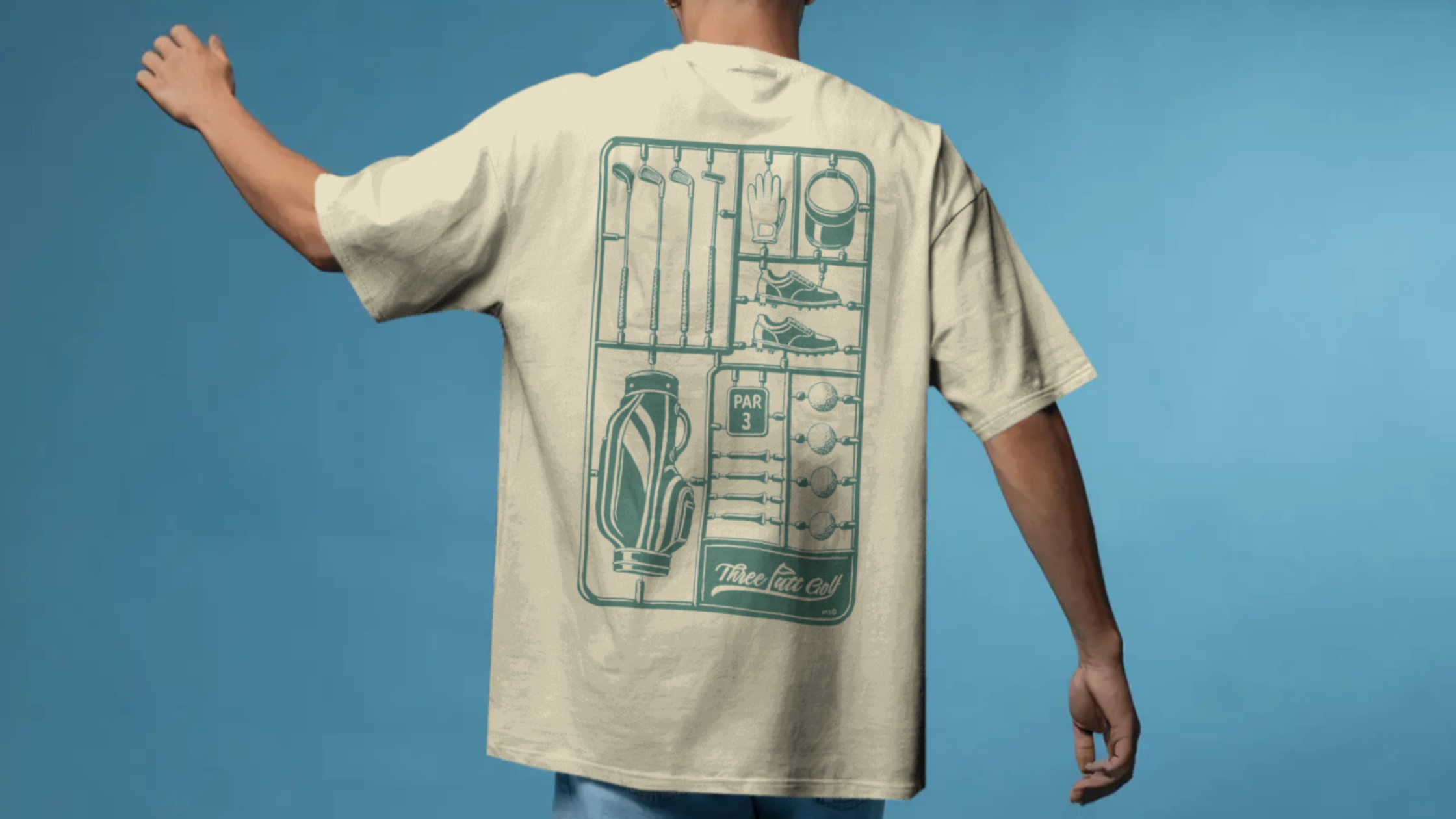
Three Putt Golf sits at the end of this timeline. Heritage respect from every era that came before. Modern identity built for how golfers actually live. The hoodie collection carries the same quality-first mentality that defined the best golf clothing of the 1920s, applied to a silhouette that works on the course and everywhere else. The Sorona tee delivers the moisture-wicking performance that Tiger's era demanded, in a streetwear fit that points where golf fashion is heading. The heavyweight crewneck bridges the gap between heritage warmth and modern versatility.
For the full picture on current golf fashion trends and the modern golf brands driving them, those guides go deeper.
Final Thoughts
The history of golf fashion is the history of the sport arguing with itself. Every generation thinks the one before dressed badly and the one after dresses inappropriately. That's been true since the 1800s. It'll be true in 2050.
What doesn't change is the principle underneath it all: what golfers wear reflects who they are and what the world looks like around them. Status gave way to freedom. Freedom gave way to performance. Performance gave way to identity. Each shift was resisted, and each shift won.
In 2026, golf clothing is better than it's ever been. More comfortable, more functional, more personal, and more versatile. The clothes finally match how people actually want to live and play.
New to the game and not sure where to start? Our guide to what to wear golfing for the first time has you covered.
Three Putt Golf launches later in 2026. The next chapter. Sign up for early access.
Frequently Asked Questions About the History of Golf Fashion
How has golf fashion changed over time?
From heavy tweed jackets and Victorian formality to moisture-wicking streetwear built for the course and everyday life. The turning points are polo shirts in the 1940s, Arnold Palmer's colour revolution in the 1960s, synthetic fabrics in the 1970s, Tiger Woods and Nike in the 2000s, and the streetwear movement defining 2026.
What did early golfers wear?
Heavy tweed suits, flat caps, high-collared shirts, knee-length knickers. Women played in long skirts, high-collared blouses, and corsets. Golf attire before 1900 was about social standing, not performance. The sport was a gentleman's game and the clothes made sure everyone knew it.
When did polo shirts become standard in golf?
The 1940s. The post-war shift towards lighter fabrics and practical clothing made the polo shirt the foundation of golf fashion. It replaced formal high-collared shirts and neckties, and it still holds that position eighty years later.
How did Tiger Woods change golf fashion?
Tiger Woods and Nike made golf apparel athletic. Moisture-wicking fabrics, fitted silhouettes, and performance-driven materials replaced the baggy, logo-heavy corporate style of the 1990s. His Sunday red polo became the most iconic golf outfit in the history of the sport.
What are the biggest golf fashion trends in 2026?
Tailored athleticism, performance fabrics as standard, sneaker-style golf shoes, sustainability, and self-expression. Modern golfers want clothing that works on the fairway and wherever the day goes afterwards. Heritage knits and earthy neutrals are trending alongside streetwear influences.
Why do golf courses have dress codes?
Dress codes date back to golf's origins as a gentleman's game. They maintained social standing first, then evolved into standards of formality and respect for the sport. In 2026, most courses follow smart casual rules, but the specifics vary from club to club. Always check before you go.
What is athleisure golf fashion?
Athletic performance wear blended with casual everyday style. Tailored joggers, performance hoodies, spikeless shoes, and versatile pieces designed to go from the course to daily life. It reflects broader cultural shifts towards comfort and self-expression in how golfers dress.